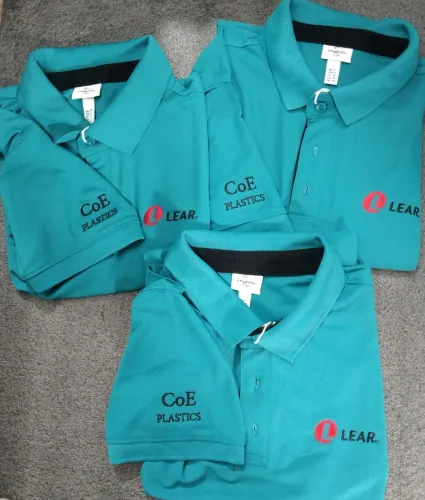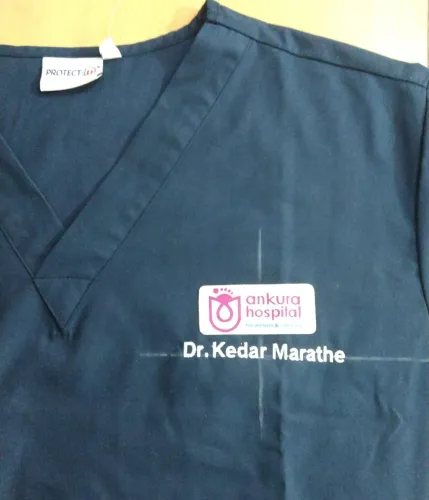


A batch can fail because of one unreadable logo, a repeated placement error, excessive stitch density, colour disagreement, or fabric damage caused during production. You will learn how to define rejection, approve the correct production setup, identify whether the fault lies in digitizing or machine operation, and document job-work requirements before bulk sewing begins.
Key takeaways
- Define stitch, placement, thread, and lettering limits before production.
- Approve a sewn sample using the exact fabric and garment style.
- Compare faults across garments to separate digitizing errors from machine faults.
- Record file version, thread details, tolerances, and rework terms in writing.
What counts as a rejected embroidery batch?
A batch is rejected when a defined defect threshold is exceeded, not when someone says the embroidery “looks poor.” The phrase rejected embroidery for batches uniform manufacturers in pune should mean goods from one approved order, garment style, file version, and production run that fail written acceptance criteria.
Set the rule before stitching begins. Record it in the purchase order or job-work sheet:
- Identify the approving person and the inspection date.
- State whether one critical defect rejects the piece or the entire batch.
- Set the maximum count or percentage for correctable defects such as loose tails, thread breaks, or minor placement variation.
- Define placement tolerance in millimetres, logo dimensions, thread brand and shade code, backing, and the approved sew-out.
- Classify needle holes, oil stains, cut fabric, distorted plackets, and obvious backing show-through as irreversible damage when they cannot be repaired.
Measure placement with a template, inspect the front and reverse, and count defects across the first piece and a documented production sample. Record batch quantity, inspected quantity, defect type, piece numbers, measurements, photographs, rework quantity, damaged garments, and final disposition. Machine embroidery batch rejection then becomes an auditable decision.
Keep reworked pieces separate from passed goods. After rework, inspect them again against the same criteria; otherwise rejected pieces can quietly return to the shipment.
Which pre-production approvals prevent repeat defects?
Approve one complete production specification, not a logo file in isolation. The approval sample must use the actual garment fabric, colour, construction, backing, hooping method, thread, needle class, and machine settings planned for the order.
| Approval item | Record before production | Confirm on the sewn sample |
|---|---|---|
| Artwork | Final logo version, proportions, lettering, and colour references | Shape and lettering match the approved artwork |
| Stitch file | File name and version, stitch count, sequence, density, and pull compensation | Colour joins register, fills lie evenly, and lettering remains legible |
| Thread colour | Brand name and physical shade-card code | Sewn colour matches the physical thread card, not an RGB or CMYK preview |
| Dimensions | Finished width and height, with tolerance | Measure the logo with a template |
| Placement | Distance from seams, pocket edges, placket, and garment reference points | Confirm position on the actual garment |
| Garment and backing | Style, size range, fabric, backing type, and backing colour | Check show-through, puckering, distortion, and loose backing |
| Sew-out | Signed sample, approval date, and authorised approver | Inspect the front and reverse before bulk release |
Record acceptable thread-break count, needle damage, thread tails, wash or abrasion result, and colour tolerance on the job-work sheet. For caps, approve a cap sew-out; a flat sample cannot prove results on a curved crown or centre seam.
Release production only after the manufacturer signs the sample and file version. That signature gives the machine operator, digitizer, and job-work vendor one reference when a machine embroidery batch rejection occurs. Record machine, operator, and production time for the first-article inspection.
How can you tell a digitizing fault from a machine fault?
A design file is the likely culprit when the same defect appears on multiple machines, operators, and garments. A machine or handling fault follows one machine, hoop, needle, thread lot, or operator instead. That distinction prevents uniform embroidery quality problems from being “fixed” by repeatedly editing the stitch file.
| Symptom | More likely digitizing fault | More likely machine or handling fault |
|---|---|---|
| Excessive puckering, thread breaks, needle deflection | Fill density is too high; abrupt short stitches compound the load | Hoop tension is uneven, backing is inadequate, or the needle plate has a burr |
| Open edges, gaps, or narrow columns | Poor underlay or insufficient pull compensation leaves fabric exposed | Fabric is loose in the hoop or the backing shifted |
| Small lettering closes, counters disappear | Satin columns are too narrow, density is excessive, or lettering is below a practical stitch width | Worn needle, incorrect tension, or damaged thread worsens an otherwise readable file |
| Colour joins misalign | Pull compensation or stitch sequencing is wrong; later sections pull earlier ones aside | Hooping, garment movement, or backing stretch changes registration |
| Thread breaks at the same design point | A short stitch, dense join, or poor digitized connection is causing repeated stress | Breaks occur randomly across designs because of tension, aged thread, or a bent needle |
Run the approved sew-out on the production machine, then record the file version, machine, operator, time, needle, thread, hooping method, and backing. If changing the machine setup cures the fault, inspect tension, needle condition, thread storage, presser-foot and needle-plate burrs, and backing. If the fault remains across setups, revise density, underlay, compensation, or sequence.
Why do fabric, lettering, and logo geometry change the result?
Fabric movement and logo geometry decide whether an approved stitch file survives production. Use the actual garment for the sew-out: a flat swatch will not reveal placket pull, pocket-edge distortion, curved cap surfaces, or stretch after unhooping.
Change the stabilising method and inspection focus for each construction:
- Cotton: Match backing to the fabric weight, control tension, and inspect for puckering around dense fills.
- Polyester: Control heat, thread tension, and stitch density; excess density can leave shiny, stiff or distorted areas.
- Blended suiting: Use a sharp needle and stable, lightweight backing; check show-through, shine and damage to the outer face.
- Fleece: Add a water-soluble topping so stitches do not sink, and inspect coverage after brushing or laundering.
- Pique knit: Stabilise the knit from the reverse side and check that uneven texture has not opened gaps between stitches.
- Stretch fabric: Use cutaway support and hoop without stretching the garment; measure the logo again after unhooping.
- Shirt fronts: Sew a garment sample over the placket area, use alignment marks, and measure registration from seams rather than the hoop.
- Pockets and caps: Keep stitches clear of pocket edges, seams and thick layers; on caps, test the cap frame and inspect the centre-to-side sequence for gaps.
Small lettering and narrow satin columns cause recurring uniform embroidery quality problems. Redesign text that closes its counters or frays after washing instead of simply raising machine resolution. Specify wash cycles, detergent, temperature and defect limits, then inspect colour, backing exposure, edge fraying and registration.
What should a Pune manufacturer put in the job-work sheet?
Put acceptance rules in the job-work sheet before garments leave your premises. Record the garment style, size range, fabric and colour, logo placement reference, placement tolerance, approved artwork and stitch-file version, thread brand and shade, backing, needle size and point, hooping method, and the person authorised to approve the sew-out.
This prevents a machine embroidery batch rejection caused by two different interpretations of “acceptable.”
| Control | Record in the sheet | Proof to retain |
|---|---|---|
| Technical | Logo dimensions, placement tolerance, thread, backing, needle, stitch file, sew-out | Approved sample, measurement template, and production-check sheet |
| Commercial | Quantity, rate, delivery date, rejection threshold, rework responsibility | Purchase order and signed acceptance |
| Rework | Defect code, piece number, correction allowed, second-inspection requirement | Before-and-after record and reinspection result |
| Damage | Needle holes, oil stains, cut fabric, distorted plackets, and backing show-through | Photograph, garment serial number, disposition approval, and count reconciliation |
Separate reworkable pieces from damaged garments in labelled bags; never mix them back into a passed lot. The supplier should record:
- Rehooping, loose-tail trimming, or approved colour correction completed
- Irreversible damage quarantined and returned, replaced, or credited under the agreed term
- Reworked pieces inspected again against the approved sew-out
- Final quantities reconciled with received, passed, reworked, rejected, and damaged counts
Sai Creations Embroidery 08048091422 can be evaluated on these records rather than on a verbal promise: ask for the actual sew-out, inspection log, and damage-disposition trail for your order.
Related services
Computerized Embroidery Job Works Computerized Embroidery Job Works Sai Creations Embroidery is the best embroidery shop in pune. We provide embroidery services for below customers. View service → |
Embroidery Design Services Sai Creations Embroidery is the best embroidery shop in pune. We provide embroidery services for below customers. View service → |
Frequently asked questions
What counts as a rejected embroidery batch?
A batch is rejected when written defect limits are exceeded across goods from the same order, garment style, approved file version, and production run. Define limits for placement, missing stitches, thread breaks, puckering, colour, lettering legibility, and logo distortion.
Which pre-production approvals prevent repeat embroidery defects?
Approve the digitized file, thread colours, logo dimensions, placement measurements, backing, garment sample, and sewn sample before bulk production. Keep the approved sample and file version with the job record.
How can you tell a digitizing fault from a machine fault?
A repeated error in the same design location across multiple machines points to digitizing. Irregular thread breaks, tension changes, needle damage, or faults limited to one machine point to equipment, setup, or operator issues.
Why do fabric, lettering, and logo geometry change the result?
Stretch, thickness, weave, and surface texture affect registration and puckering. Small lettering loses clarity when stitch density or underlay is unsuitable, while narrow angles and curved shapes distort when the stitch direction or compensation is wrong.
What should a Pune manufacturer put in the job-work sheet?
Record the purchase order, garment style, fabric, quantity, logo dimensions, placement coordinates, file name and version, thread brand and colour references, backing, needle specification, sample approval, defect tolerances, inspection method, rework responsibility, and rejection procedure.
Related services
Embroidery Job Works On Shirt / T Shirt / Garment Embroidery Job Works On Shirt / T Shirt / Garment Embroidery machine operators work with industrial machines to complete embroidery projects. View service → |
Machine Embroidery Sai Creations is one of the best place for Embroidery work in Pune. View service → |
Digitizing Embroidery Digitizing Services ₹500 We have been doing embroidery digitization for 23 years. We are one of the best embroidery digitizing service providers in pune. View service → |
Machine Embroidery Job Works What is embroidery job? Embroidery machine operators work with industrial machines to complete embroidery projects. View service → |